Five Ways UV Radiation Is Damaging Your Car’s Interior

September 30, 2019

Share this article

It’s a fact that excessive sun exposure harms the human skin. Similarly, UV radiation can damage your car’s interior. When the car is left under the sun for a considerable period, temperatures can rise to 145 degrees Fahrenheit. Contrary to what many car owners think, the seats and dashboard are not the only interior components that are prone to UV radiation.


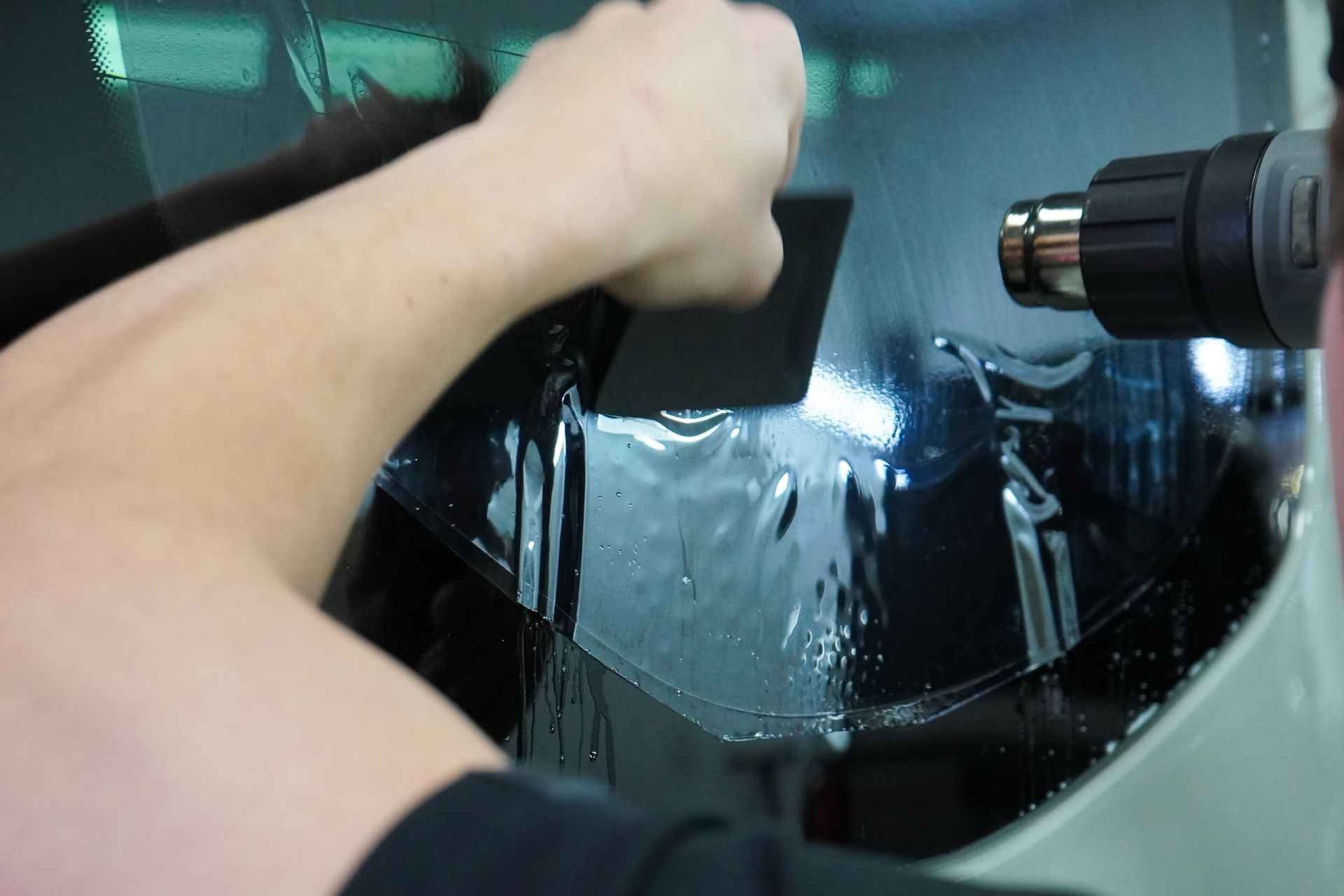
Whether you live in an area that experiences sunny weather or you only need UV protection in summer, you should guard your car’s interior against harmful rays. Installing a window tint on the car goes a long way in protecting your investment. UV radiation damages your car’s interior in the following five ways.


1. Leaves the Dashboard Looking Faded


When the sun shines brightly on a warm summer day, it’s hard to resist the temptation of rolling down your car windows or the soft top if you drive a convertible. However, it’s worth noting that the blazing sun can be bad for your car’s dashboard.


The potent combination of UV radiation from the sun and the extreme heat that builds up inside the car can significantly damage the dashboard. Repairing such damage is expensive because you will be forced to replace most dashboard components. On a typical sunny day, your vehicle’s dashboard bears the brunt of UV radiation since it is often the most exposed interior component.


The vehicle’s windshield further intensifies the dashboard’s exposure. As a result, the dash can quickly fade and lose its faultless appearance. Often, dashboard damage is manifested by splits or cracks due to intense heat, thus leaving the entire structure looking very unsightly. Getting a tint goes a long way in minimizing the dashboard’s UV exposure. This leaves it in good condition for years.


2. Upholstery Issues


With continued UV exposure, your car’s upholstery may begin to deteriorate. If you have leather seat upholstery, for instance, excess heat and sunlight dry out natural oils contained in the leather. They may start to dry out, stiffen, and crack. The leather covers used on car seats are often treated to resist sun damage. Nonetheless, this only delays the inevitable since the upholstery will still get damaged by UV radiation.


Likewise, fabric upholstery may also start to dry out and rot as a result of the baking heat.


Sometimes, typical debris such as liquid or food spills combines with UV radiation to damage your car’s upholstery. For instance, food, dirt, and dust particles on the upholstery can leave permanent stains if they get baked to the material. Vacuuming out the interior helps remove the debris. Smaller debris can remain inside the car, and when exposed to direct UV rays, they lead to unsightly stains.


Keeping the car’s interior clean, and coating leather, fabric, and vinyl components using a silicone or fabric protectant doesn’t slow down the damage caused by UV exposure. The best way of keeping the upholstery looking new is by getting a high-quality tint that reduces the UV rays that penetrate the windows.


3. Rubber Weather Stripping Damage


Although they are not interior car components per se, the rubber weather stripping around the doors keep the interior habitable. The stripping prevents water, dust, air, and debris from entering the cabin, thus guaranteeing the comfort of car occupants.


When exposed to the sun, your car’s rubber weather stripping can suffer from sun rot. Apart from protecting the weather stripping using silicone-based protectants, tinting your car windows significantly enhances their durability. The rubber stripping gets exposed to UV rays that enter your car, thus the significance of getting a tint.


4. Damages Electrical Components


Your car’s electrical components are susceptible to damage if left exposed to unfiltered UV rays over a significant period. These include the radio, navigation system, and electrical connections under the dashboard or even on the floor of the vehicle.


With temperatures inside the car rising to 145 degrees Fahrenheit on a hot day, exposed electrical components such as cable connectors and wires can expand inappropriately, crack, or even melt away. When wires are left exposed, the car’s electrical system can easily malfunction, thus necessitating costly repairs. Such damage can be prevented by tinting the windows to keep out harmful UV rays.


5. Safety Concerns


Apart from the visible signs of continued UV exposure, your car’s safety can also get compromised. High temperatures inside your car can damage its airbags and other safety systems. Components such as airbags are susceptible to damage if exposed to extreme warmth. With the entry of unfiltered UV rays into your cars, temperatures are bound to rise, thus damaging such components. Such damage causes safety risks, which can be life-threatening.


During the warm months of the year, temperatures often hit ridiculous levels. Therefore, you should be concerned about the interior of your vehicle. There isn’t a guarantee that you will always park the car under a shade. UV radiation damages not only the vehicle’s exterior but also its interior components. A sagging dash pad, faded upholstery, or malfunctioning rubber weather stripping are not only unsightly but quite expensive to replace. There is so much that you can do to mitigate heat and sun damage to your car’s interior.


Blocking out the dangerous UV rays should be your first line of defense as far as keeping the interior in good condition is concerned. Getting the car’s windows tinted reduces both heat transfer and UV exposure inside the vehicle. It prevents the dashboard, upholstery, steering wheel, and other interior components from literally becoming cooktops. Irrespective of where you stay, car window tinting is a simple and effective way of fending off harmful UV rays. Similarly, it makes your car look cooler besides ensuring your privacy from prying eyes.


When looking to get your car windows tinted, you should seek help from experienced tinting experts. These professionals understand the legal limits and restrictions relating to how dark a tinted window can be in your state. Likewise, they guarantee quality work at a reasonable cost. For personal and commercial window tinting services in Vancouver, WA, and Portland, contact Ultimate Window Tinting today.


The post Five Ways UV Radiation Is Damaging Your Car’s Interior appeared first on Ultimate Window Tinting.

Recent Posts

October 23, 2025
Why Storefront Glass Needs Protection Your storefront windows are a powerful draw, showcasing your products and inviting customers into your business. But they’re also vulnerable to heat, glare, UV damage, and even break-ins, which can harm your inventory and drive up costs. At Ultimate Window Tinting , we understand these challenges and offer an affordable, non-intrusive solution: window films. These advanced films protect your business while enhancing its appeal. In this guide, we’ll explore three main types of window film —Security, Solar Control, and Decorative—and how they safeguard your storefront, boost efficiency, and elevate your brand, ensuring your business thrives in any season. Type 1: Safety & Security Film (Physical Protection) Safety and Security Films are designed to fortify your storefront against physical threats, acting as a robust barrier to protect your business. Made from thick, durable PET material (8 Mil or higher), these films hold shattered glass together during impacts from vandalism, attempted break-ins, or severe weather, preventing dangerous shards and slowing down intruders. Often paired with an Edge Retention System to anchor the film to the window frame, they create a time-delay deterrent, giving staff or police critical time to respond during “smash-and-grab” attempts. These films are ideal for high-value retail like jewelry or electronics stores, banks, or businesses in high-risk areas, ensuring peace of mind and asset protection. Type 2: Solar Control & Energy Reduction Film (Comfort and Efficiency) Solar Control Films tackle heat, glare, and UV radiation, making your storefront more comfortable and cost-efficient. These films block up to 80% of solar heat, keeping your interior cool and reducing strain on HVAC systems—crucial for hot summers. They also cut glare, improving visibility for staff working on screens and making products easier to view for customers. By stopping over 99% of harmful UV rays, they prevent fading of merchandise like clothing, furniture, or display materials, preserving their value. Perfect for restaurants, commercial offices, or boutiques, Solar Control Films lower energy bills and create a welcoming environment, boosting both comfort and savings. Type 3: Decorative and Privacy Film (Aesthetics and Branding) Decorative Window Films transform your storefront’s appearance while adding functionality, offering a stylish way to increase privacy and reinforce your brand. Options like frosted window film obscure views into sensitive areas like a conference room , making it ideal for offices or medical facilities needing confidentiality. Decorative window film can be customized with patterns, logos, or brand colors, mimicking the look of etched or sandblasted glass at a fraction of the cost—perfect for creating a professional vibe. For complete privacy, blackout window film or whiteout window film blocks all visibility, ideal for secure spaces or bold aesthetic statements. These films suit businesses seeking visual separation or a branded storefront that stands out. Dual-Purpose Solutions: Getting More from Your Film Why choose just one benefit? Hybrid films combine advantages, like tinted security films that block heat while reinforcing glass, or frosted films that enhance privacy and reduce UV damage. Selecting the right multi-purpose film can be tricky, as it involves balancing security, light transmission, and aesthetics. That’s where Ultimate Window Tinting’s expertise comes in. Our professional consultations assess your storefront’s needs, ensuring you get a film that delivers maximum protection and style without compromise. This tailored approach saves you money by addressing multiple concerns with a single installation. How to Choose the Right Tint for Your Business Picking the perfect window film starts with three simple steps: Define Your Primary Goal : Decide if security (e.g., protecting high-value inventory), energy savings (reducing HVAC costs), or aesthetics (branding or privacy) is your top priority. Inventory Assessment : Evaluate how valuable or visible your merchandise is from the street. High-value items like electronics may need thicker security films, while display-heavy stores benefit from UV-blocking solar films. Budget and ROI : Window films offer excellent return on investment by cutting energy bills (up to 30% savings) and preventing costly damage from break-ins or fading. Consider long-term savings when setting your budget. Our team at Ultimate Window Tinting can guide you through these steps to find the ideal solution for your storefront. Next Steps To Security and Privacy Window films are a game-changer for storefronts, offering tailored solutions to protect and enhance your business. Security Films shield against break-ins and storms, Solar Control Films save energy and protect inventory, and Decorative Window Films boost privacy and branding with options like frosted, blackout, or whiteout films. Whether you need to secure a conference room, reduce glare, or create a stunning visual, there’s a film for you. Don’t guess—get expert advice to ensure your storefront is ready for any challenge. Ready to reinforce your storefront? Contact Ultimate Window Tinting today for a personalized, on-site consultation and quote. Call us at (912) 555-7890 or visit www.ultimatewindowtinting.com to schedule your appointment. Protect your business and elevate its appeal with our winter-ready specials!
August 22, 2025
Commercial window tinting involves applying a thin film to the windows of business properties to enhance functionality and appearance. This specialized treatment offers businesses a range of benefits, from energy savings to improved security and aesthetics. Choosing the right window tint is critical for maximizing these advantages, as the wrong choice can lead to inefficiencies or unmet needs. This article explores the key benefits of commercial window tinting, the types available, factors to consider, and industry-specific recommendations to help business owners make informed decisions. Benefits of Commercial Window Tinting Window tinting provides multiple advantages for commercial properties. Energy Efficiency : Tinted windows reject solar heat, reducing the need for air conditioning and lowering energy bills by up to 15%, according to some studies. UV Protection : Tints block up to 99% of harmful UV rays, preventing fading of furniture, flooring, and merchandise while protecting occupants from skin damage. Glare Reduction : By minimizing glare, tints improve visibility for screens and create a more comfortable environment for employees and customers. Increased Privacy : Tints obscure visibility from the outside, safeguarding sensitive areas like offices or meeting rooms. Enhanced Security : Security films strengthen windows, making them resistant to break-ins or accidental shattering. Improved Aesthetics : Tinted windows offer a sleek, uniform look that can align with a company’s branding. Types of Commercial Window Tint Several types of window tint cater to different business needs. Solar Control Film : Designed to reduce heat and UV exposure, this film is ideal for buildings in sunny climates, offering energy savings and comfort without sacrificing natural light. Reflective/Mirrored Film : This type reflects sunlight for excellent heat rejection but may create a mirrored appearance, which suits modern buildings but can be less desirable for traditional aesthetics. Ceramic Window Film : A premium option, ceramic films provide superior heat rejection and clarity without reflective drawbacks, perfect for businesses prioritizing performance and visibility. Security Film : Thick and durable, security films reinforce windows against break-ins, vandalism, or impact, and are often used in high-risk areas. Decorative/Frosted Film : These films add privacy and style, with customizable patterns or branding, ideal for retail or office spaces seeking a unique aesthetic. Factors to Consider When Choosing Tint Selecting the right window tint requires careful evaluation of several factors. Building Location and Climate : Buildings in hot, sunny regions benefit from high-performance solar or ceramic films, while cooler climates may prioritize UV protection. Window Orientation and Size : South-facing or large windows may need stronger heat-rejecting tints. Business Type and Needs : Retail stores may prioritize visibility, while offices may focus on privacy. Desired Level of Privacy and Security : Sensitive spaces like healthcare facilities require higher privacy levels. Local Regulations and HOA Restrictions : Some areas have rules on tint reflectivity or darkness, so compliance is essential. Budget Constraints : Basic solar films are cost-effective, while ceramic films are pricier but offer long-term value. Aesthetic Preferences : Tints should complement the building’s design and brand identity. Industry-Specific Recommendations Different industries have unique tinting needs. Office Buildings : Solar or ceramic films reduce energy costs and glare, enhancing employee productivity. Retail Stores : Decorative or lightly tinted films maintain visibility for displays while offering UV protection for merchandise. Healthcare Facilities : Privacy-focused frosted or security films protect patient confidentiality and safety. Restaurants and Hospitality : Solar or frosted films create a comfortable ambiance while controlling heat and glare. Educational Institutions : Security and UV-protective films ensure student safety and protect classroom materials from fading. The Importance of Professional Installation Professional installation is critical for achieving optimal results with commercial window tinting. Certified installers ensure precise application, preventing bubbles, peeling, or uneven coverage that can compromise performance and aesthetics. Without professional installation, these issues can lead to reduced energy efficiency, compromised security, and a less professional appearance. Common mistakes, such as improper surface preparation or incorrect film cutting, can reduce the tint’s lifespan or effectiveness. Professional services also often include warranties, covering issues like fading or delamination, and provide aftercare guidance to maintain the tint’s condition, ensuring long-term value. Cost vs. Value The cost of commercial window tinting varies by film type and project scope, but the investment often yields significant returns. Basic solar films may cost $5–$8 per square foot, while premium ceramic or security films range from $10–$15 per square foot.  Long-term savings from reduced energy bills—potentially hundreds or thousands annually for large buildings—offset upfront costs. Additionally, tints extend the life of interior furnishings by preventing UV damage, adding further value. Businesses should weigh initial expenses against these savings and durability benefits. Conclusion Choosing the right commercial window tint is a strategic decision that enhances energy efficiency, security, privacy, and aesthetics for businesses. By carefully considering building needs, industry requirements, and tint types, owners can select a solution that delivers both immediate and long-term benefits. Consulting with a professional tinting specialist ensures proper selection and installation, maximizing return on investment. Business owners are encouraged to evaluate their specific needs and contact a local tinting expert for a consultation to explore tailored options. Don’t wait, take the first step towards a more efficient and secure business environment today!
August 20, 2025
Commercial buildings are changing as new technologies make them smarter, more energy-efficient, and comfortable to work in. From advanced lighting systems to improved insulation, businesses are looking for ways to create a better environment for employees and visitors. These technologies also help companies save money and keep up with new regulations. One modern solution that is gaining popularity is window tinting for commercial buildings. Adding window tint is a simple and effective way to improve many aspects of a building. It offers immediate and long-lasting benefits , making it a smart investment for business owners who want to be ready for the future. What is Building Window Tinting? Building window tinting means applying thin films to the inside of a building’s windows. These films can do a lot more than just give the glass a darker shade. They help control sunlight, reduce glare, and protect people and items inside from harmful rays. There are several types of window films. Solar control films block heat and UV rays, making interiors more comfortable. Decorative films add patterns and colors for style or privacy. Safety and security films make windows harder to break, offering extra protection. Recently, window film technology has advanced a lot, with smarter films that can adjust to sunlight, last longer, and look better than ever before. Energy Efficiency and Cost Savings Window tinting can help cut down on energy use by blocking some of the sun’s heat from entering a building. This means air conditioning systems don’t have to work as hard, especially in the summer. By reducing the load on HVAC systems, businesses can see a noticeable drop in their energy bills. Many commercial buildings have reported real savings after installing window films. These savings add up year after year. Plus, using less energy makes buildings more eco-friendly and helps businesses earn points for green building programs, contributing to a cleaner environment. UV Protection and Interior Preservation Many people do not realize that sunlight brings more than just brightness. Ultraviolet (UV) rays can fade carpets, furniture, and artwork, and even cause damage to electronic equipment. Quality window tints block up to 99% of UV rays, which helps protect everything inside. This protection is especially important in buildings with large display windows or in offices with lots of sunlight. By stopping UV damage, window tint helps companies protect their investments in furnishings and equipment, keeping them looking newer for longer. Enhancing Comfort and Productivity Tinted windows help keep indoor temperatures steady by reducing hot spots and glare from the sun. Employees are less distracted by harsh light, and rooms stay cooler on sunny days. When people feel comfortable, they can focus better and are more productive. Daylight optimization—letting in enough natural light while blocking the downsides—creates a pleasant work environment while still keeping energy costs under control. All these factors together help businesses create healthier, more efficient workplaces. Security, Privacy, and Safety Benefits Some commercial spaces need extra privacy, like conference rooms or healthcare offices. Window films can make glass more private without blocking all the light. There are also safety films designed to hold glass together if it shatters, making break-ins or accidents less dangerous. Added safety is not just for peace of mind. Many local building codes require safety and security features for commercial glass. Window films help businesses stay compliant with these regulations, increasing protection for both people and property. Aesthetic and Branding Opportunities Window tinting isn’t just functional. It can be designed to look good, too. Tints come in different shades, colors, and patterns, making it easy to match a company’s brand or add modern style. Some films can even include custom logos or images. A well-designed tint can improve a building’s curb appeal, helping to attract tenants, shoppers, or clients. Both interiors and exteriors can use decorative and branded films to make spaces unique and memorable. Preparing for Future Regulations and Standards Laws about building efficiency and energy use are expected to get stricter in the coming years. By adding energy-saving upgrades like window tint now, businesses can get ahead of new rules and avoid costly updates later. Window tinting can also help buildings earn credits toward certifications like LEED (Leadership in Energy and Environmental Design). These certifications are important for businesses focused on sustainability and for meeting local or industry standards. Choosing the Right Window Tint for Your Building Selecting the best window tint involves several factors . Consider your local climate, which direction your building faces, and your main goals, like saving energy, protecting interiors, or adding privacy. A professional installer can help suggest the best type of film for your needs. It’s important to ask about warranties and how long each film is expected to last. Working with reputable installers means you get the right advice, safe installation, and support for years to come. Conclusion Window tinting is a simple yet powerful way to upgrade commercial buildings for the future. It cuts energy costs, blocks harmful rays, adds comfort and safety, and supports business branding and green goals. Investing in quality window tint now can prevent higher expenses later and helps your building handle any new standards or regulations that may come. If you’re ready to explore these benefits, talk to a professional commercial window tinting expert. They can help assess your building’s needs and recommend the best solutions to future-proof your property. https://www.3m.com/3M/en_US/p/c/business-window-tinting/ https://www.energy.gov/energysaver/update-or-replace-windows  https://www.usgbc.org/credits/new-construction/v4/mrc1
August 18, 2025
Commercial buildings are changing as new technologies make them smarter, more energy-efficient, and comfortable to work in. From advanced lighting systems to improved insulation, businesses are looking for ways to create a better environment for employees and visitors. These technologies also help companies save money and keep up with new regulations. One modern solution that is gaining popularity is window tinting for commercial buildings. Adding window tint is a simple and effective way to improve many aspects of a building. It offers immediate and long-lasting benefits , making it a smart investment for business owners who want to be ready for the future. What is Building Window Tinting? Building window tinting means applying thin films to the inside of a building’s windows. These films can do a lot more than just give the glass a darker shade. They help control sunlight, reduce glare, and protect people and items inside from harmful rays. There are several types of window films. Solar control films block heat and UV rays, making interiors more comfortable. Decorative films add patterns and colors for style or privacy. Safety and security films make windows harder to break, offering extra protection. Recently, window film technology has advanced a lot, with smarter films that can adjust to sunlight, last longer, and look better than ever before. Energy Efficiency and Cost Savings Window tinting can help cut down on energy use by blocking some of the sun’s heat from entering a building. This means air conditioning systems don’t have to work as hard, especially in the summer. By reducing the load on HVAC systems, businesses can see a noticeable drop in their energy bills. Many commercial buildings have reported real savings after installing window films. These savings add up year after year. Plus, using less energy makes buildings more eco-friendly and helps businesses earn points for green building programs, contributing to a cleaner environment. UV Protection and Interior Preservation Many people do not realize that sunlight brings more than just brightness. Ultraviolet (UV) rays can fade carpets, furniture, and artwork, and even cause damage to electronic equipment. Quality window tints block up to 99% of UV rays, which helps protect everything inside. This protection is especially important in buildings with large display windows or in offices with lots of sunlight. By stopping UV damage, window tint helps companies protect their investments in furnishings and equipment, keeping them looking newer for longer. Enhancing Comfort and Productivity Tinted windows help keep indoor temperatures steady by reducing hot spots and glare from the sun. Employees are less distracted by harsh light, and rooms stay cooler on sunny days. When people feel comfortable, they can focus better and are more productive. Daylight optimization—letting in enough natural light while blocking the downsides—creates a pleasant work environment while still keeping energy costs under control. All these factors together help businesses create healthier, more efficient workplaces. Security, Privacy, and Safety Benefits Some commercial spaces need extra privacy, like conference rooms or healthcare offices. Window films can make glass more private without blocking all the light. There are also safety films designed to hold glass together if it shatters, making break-ins or accidents less dangerous. Added safety is not just for peace of mind. Many local building codes require safety and security features for commercial glass. Window films help businesses stay compliant with these regulations, increasing protection for both people and property. Aesthetic and Branding Opportunities Window tinting isn’t just functional. It can be designed to look good, too. Tints come in different shades, colors, and patterns, making it easy to match a company’s brand or add modern style. Some films can even include custom logos or images. A well-designed tint can improve a building’s curb appeal, helping to attract tenants, shoppers, or clients. Both interiors and exteriors can use decorative and branded films to make spaces unique and memorable. Preparing for Future Regulations and Standards Laws about building efficiency and energy use are expected to get stricter in the coming years. By adding energy-saving upgrades like window tint now, businesses can get ahead of new rules and avoid costly updates later. Window tinting can also help buildings earn credits toward certifications like LEED (Leadership in Energy and Environmental Design). These certifications are important for businesses focused on sustainability and for meeting local or industry standards. Choosing the Right Window Tint for Your Building Selecting the best window tint involves several factors . Consider your local climate, which direction your building faces, and your main goals, like saving energy, protecting interiors, or adding privacy. A professional installer can help suggest the best type of film for your needs. It’s important to ask about warranties and how long each film is expected to last. Working with reputable installers means you get the right advice, safe installation, and support for years to come. Conclusion Window tinting is a simple yet powerful way to upgrade commercial buildings for the future. It cuts energy costs, blocks harmful rays, adds comfort and safety, and supports business branding and green goals. Investing in quality window tint now can prevent higher expenses later and helps your building handle any new standards or regulations that may come. If you’re ready to explore these benefits, talk to a professional commercial window tinting expert. They can help assess your building’s needs and recommend the best solutions to future-proof your property. https://www.3m.com/3M/en_US/p/c/business-window-tinting/ https://www.energy.gov/energysaver/update-or-replace-windows  https://www.usgbc.org/credits/new-construction/v4/mrc1
June 3, 2024
In the day and age of easily finding information online, installing DIY-ing Paint Protection Film (PPF) may seem like the smart choice, offering the flexibility to work at your own pace and potentially save on labor costs. However, due to the complexities involved, it’s often best to leave PPF installation to the professionals. We’ll break down both installation processes step by step to help you determine which option is right for you. Preparation for Installation DIY When tackling PPF yourself, the first step is gathering the right tools and materials: Heat Gun Purpose: Softens the PPF, making it flexible and easier to stretch and mold to the contours of your vehicle. This flexibility is vital for ensuring the film conforms smoothly to curves and edges without tearing or wrinkling. Squeegees Purpose: Used to apply the film onto the vehicle’s surface. Squeegees help smooth out the film, removing air bubbles and ensuring it adheres without any pockets of air, which are crucial for a flawless, transparent finish. Precision Cutting Tools (like knives or blades) Purpose: Necessary for trimming the excess film. Accurate cutting ensures that the PPF fits exactly to the specified areas of your vehicle, providing complete coverage without overlapping or gaps. Optional Tools for Enhanced Installation In addition to the essential tools, consider these optional items to help make the installation process smoother and potentially improve the outcome: Detailing Clay Bar: Used to clean the vehicle’s surface thoroughly before applying the film. It removes contaminants that can cause imperfections under the film. Slip Solution: A mixture of water and a small amount of baby shampoo or liquid soap, used to lubricate the surface, allowing easier squeegee movement and adjustment of the film during application. Alcohol Solution: Used after the slip solution to clean the surface and ensure good adhesion of the film to the vehicle’s body. Lint-Free Cloths: Essential for cleaning the surface and hands to avoid leaving residues or lint under the film. Measuring Tape: Helps in pre-measuring the film before cutting, ensuring you cut the right amount of material without waste. Gloves: Protects your hands and prevents fingerprints and natural oils from getting on the film during installation. Professionals While some professionals use tools similar to those a DIYer would use, but of a higher professional quality, there are some tools that are typically not available or more difficult to get a hold of for DIYers. Computer-Aided Design (CAD) Systems Some professional shops use Computer-Aided Design (CAD) Systems, a type of software that allows for the creation, modification, analysis, and optimization of a design, in lieu of manually measuring and cutting film patterns. At Ultimate Window Tinting, we use XPEL’s DAP software, which provides access to pre-cut patterns that are specifically designed for even the latest vehicle models, ensuring a precise fit and optimal coverage. With this tool, it eliminates the risk of misapplication and wastage, a level of accuracy difficult to achieve in DIY settings. Paint Correction Tools Paint correction plays an important role in the application of PPF, ensuring a perfect canvas for the film to attach to. Dual Action Polishers: These polishers are known for their oscillating and rotating movement which minimizes heat build-up, reducing the risk of burning the paint. They are perfect for effectively removing defects without leaving further swirls or holograms. Rotary Buffers: Rotary buffers are powerful tools that work by spinning a polishing pad at a constant speed. They are highly effective at rapidly removing deeper scratches and more severe paint defects. Orbital Polishers: Orbital polishers offer a random orbital motion that makes them safer and easier for less experienced technicians to use. They are great for light to medium paint correction work. Note: While paint correction is an essential aspect of preparing for PPF application, it’s important to note that we do not offer extensive paint correction services at Ultimate Window Tinting, beyond clay bar and hand wax. For clients seeking deep paint correction, such as removing severe scratches or defects, we recommend having this done at a specialized service provider before installation. Installation DIY Before installing, make sure your work area is spotless and free of any dust or debris that could interfere with the application process. A clean and dry environment is crucial for achieving a flawless finish. Slowly peel the backing off the PPF, starting from one end. Be careful not to stretch or distort the film as you peel. Align the film with one section of the vehicle, such as the hood or fender. Starting from one end, gradually work your way to the other to maintain alignment. Begin at the center of the film and work outward towards the edges. This helps to push air bubbles out as you go. Use a squeegee to press the film onto the vehicle’s surface, using smooth, even strokes. Apply firm pressure to ensure the film adheres properly. Keep the film taut as you apply it to prevent wrinkles and bubbles. However, be careful not to overstretch the film, as this can distort its shape. If bubbles form, gently lift the nearest edge of the film and use the squeegee to push them out towards the lifted edge. Work slowly and carefully to avoid creating new bubbles. Once the film is in place, use a heat gun on a low setting to carefully seal the edges. This helps to ensure full adhesion, especially in areas that contour around curves and edges. After sealing the edges, inspect the entire surface for any remaining bubbles or imperfections. If necessary, gently lift and reapply the film to correct any issues. Professionals As a customer, you don’t have to worry about the installation process, your car is in good hands with the experienced professionals. Instead, you can use your free time to: Run Errands: Take care of any errands or tasks you’ve been putting off. Relax: Use the time to unwind and relax, whether it’s catching up on your favorite book or the latest Netflix show. Work Remotely: If you have work to do, bring your laptop and work remotely from the waiting area. Enjoy a Coffee: Treat yourself to a coffee from Starbucks just a 10 minute walk away! Curing and Finishing Touches DIY Curing times can fluctuate based on factors like temperature and humidity. Follow the manufacturer’s recommendations for your specific film to achieve optimal results. Extreme temperatures, whether too hot or too cold, can impact the curing process. It’s best to apply PPF in moderate conditions and allow sufficient time for curing. Avoid Disturbances: It’s important to recognize that household activities can inadvertently disrupt the curing process. For example, kids playing near the vehicle or needing to use it for errands can introduce disturbances that compromise the bond. Additionally, minimizing the use of the vehicle is advisable. Excessive driving or parking in areas with heavy debris can increase the risk of contaminants interfering with the curing process. Thorough Examination: After the curing period, carefully inspect the PPF for any imperfections, such as bubbles, wrinkles, or misalignments. Addressing these issues promptly is crucial to achieving a flawless finish. If you notice any imperfections, be prepared to take immediate action to correct them. Using a heat gun and a squeegee, gently work out any bubbles or wrinkles to ensure a smooth surface. Trimming Excess: If there is any excess film extending beyond the edges of the vehicle’s panels, use precision cutting tools to trim it carefully. This step is essential for achieving a clean and professional-looking finish. Take your time to ensure that the cuts are precise and that the edges blend seamlessly with the contours of the vehicle. NOTE: If significant problems persist, you may need to consider starting the installation process again to achieve the desired results. Professionals Controlled Environment: Professionals work in controlled environments, such as temperature-controlled garages to create ideal conditions for curing. This helps to minimize external factors that could affect the curing process, such as dust or humidity. Accelerated Curing: Professional-grade curing methods, such as infrared lamps or heat lamps, can accelerate the curing process without compromising the quality of the bond. This allows for faster turnaround times, getting customers back on the road a lot faster. Quality Assurance: This is what professionals do for a living—apply PPF on cars. They undergo extensive training and gain hands-on experience to deliver results that meet the highest standards of quality and precision. And if any issues are caught during the inspection process, they are trained to address them promptly and effectively. PPF Installation: DIY vs. Professional: Cost and Benefit Comparison 
May 14, 2024
Discover the ins and outs of Paint Protection Film (PPF), from its military beginnings to its role in modern automotive care. This guide covers everything you need to know about PPF, including its benefits, installation, maintenance tips and more. The History and Evolution of PPF Technology PPF technology was initially developed for military use in the 1960s to protect helicopter blades. It later evolved to become a staple in automotive protection when it was adapted for consumer use in the 1990s. Today, it is used not only for cars, but also for a variety of vehicles, including motorcycles and boats. 4 Benefits of PPF 1. Protection from Physical Damage Scratch and Impact Resistance: PPF provides a barrier against scratches and rock chips from road debris. Enhanced Paint Security: Protects paint from damage, reducing the need for costly repairs. 2. Durability and Longevity Long-lasting Protection: Quality PPF can last up to ten years, depending on care and conditions. Stable Performance: Resists degradation in various weather conditions, maintaining its protective qualities. 3. Aesthetic Preservation Visual Appeal: PPF is almost invisible and can enhance the vehicle’s appearance with a glossy or matte finish. Color Preservation: Protects against UV radiation that causes paint fading and discoloration 4. Maintenance Ease Easy Cleaning: The film’s smooth surface simplifies cleaning by preventing dirt and debris from adhering. Reduced Need for Frequent Waxing: PPF maintains its shine and protective qualities without frequent waxing. Paint Protection Film vs. Ceramic Coatings and Traditional Waxes PPF vs. Ceramic Coatings
Show More